

Viewing 271 - 280 out of 336

Vision Topics

Visual Rehabilitation
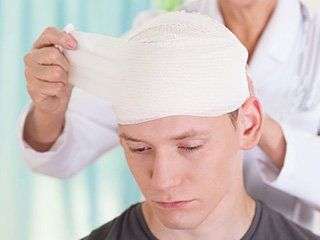
Traumatic Injury
Accurate vision involves much more than good eye health. The brain integrates signals from the eyes with information from the motor, balance, and auditory systems to create an accurate view of the world. Following traumatic injury, one or more components of this complex system may be damaged. Receiving
Vision Therapy Programs
Training Devices
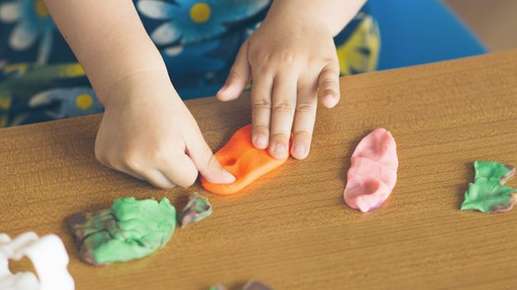
Visual-motor-sensory integration training uses various devices to appeal to a person’s senses, including touch, sound and smell. This type of therapy is particularly useful in children with autism. Devices may include play dough, rubber toys, weighted bells and blankets, water, rice, sand, beans, musical
Vision Therapy Programs
Cawthorne-Cooksey Exercises
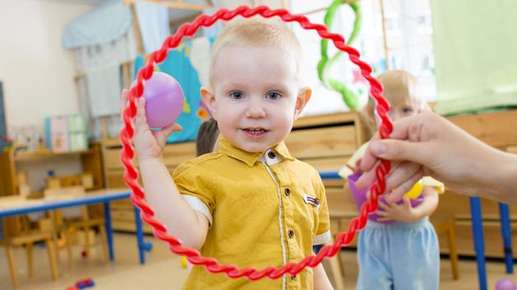
These exercises are mainly used at home and range from simple head and eye movements to performing more complex activities like throwing a ball or focusing on a stationary object while the head is moving. While moving one’s head and tossing a ball sounds easy enough, they are not simple tasks for persons
Vision Therapy Programs
Keep Your Eye on the Ball: How Vision Therapists Use Marsden Balls to Help Their Patients
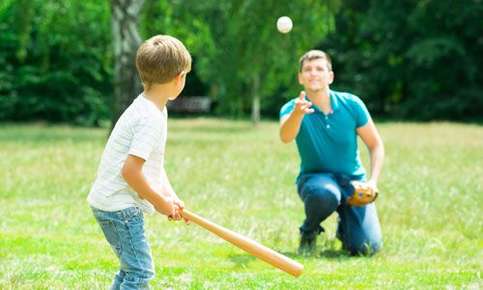
A Marsden ball might not look very impressive, but this little ball offers big benefits for athletes and children affected by strabismus, ambylopia and other conditions. Marsden ball exercises are just one of the techniques that vision therapists use to help patients make better use of their vision. What

Vision Therapy Programs
Electronic Targets
Automated targets with timing mechanisms not only show the optometrist how the eyes move in the beginning of treatment – when eye problems have yet to be fully addressed – by strategically positioning the targets, but they give weak eyes a necessary workout. By moving the eyes around to focus on

Vision Therapy Programs
Therapeutic Lenses
Contact lenses, or therapeutic lenses, are thin lenses that are placed on the surface of the eye. While some wear them for cosmetic reasons, their primary function is to correct and improve vision problems related to refractive errors, act as a protective layer in patients with eye injuries, reduce discomfort

Vision Therapy Programs
Filters
Optical filters carefully transfer light in a specific range of wavelengths or colors while obstructing what remains. These dyed plastic or glass devices are placed in the optical path. They are described by their frequency response, and this identifies how the scale and stage of each frequency component

Vision Therapy Programs
Directional Sequencers
This device integrates all of the senses used for learning. It is one of the basic instruments used for visual-motor training, and helps with direction, rhythm, eye-hand coordination, and work and shape recognition. It consists of an aluminum case with illuminated membrane switches organized along a

Vision Therapy Programs
Marsden Balls
Here, a ball with letters, numbers, colors, pictures, or a combination is hung from the ceiling. In activities used to help focus visual attention, the individual may be asked to concentrate on a figure while bunting the ball with a rod, or hitting or catching it with their thumbs, palms or fists.
Vision Therapy Programs
Syntonics
Known also as optometric phototherapy, syntonics deal with the application of selected visible-light frequencies and are used to treat lazy eye and problems with peripheral vision and depth perception. By applying particular visible-light frequencies through the eyes, syntonics can improve vision. This
We help individuals protect and restore their vision through personalized eye care, so you can see clearly and get back to enjoying the things you love with confidence.
EXPLORE